Shifting the Paradigm
Historically, marketing directed at women’s fitness has heavily emphasized shrinking, toning, and weight loss via endless hours of low-intensity cardio. Modern exercise science tells a different story. To truly protect the body against the natural aging process, improve metabolic health, and enhance mental fortitude, women must incorporate load-bearing strength training alongside aerobic conditioning.
The Importance of Resistance Training
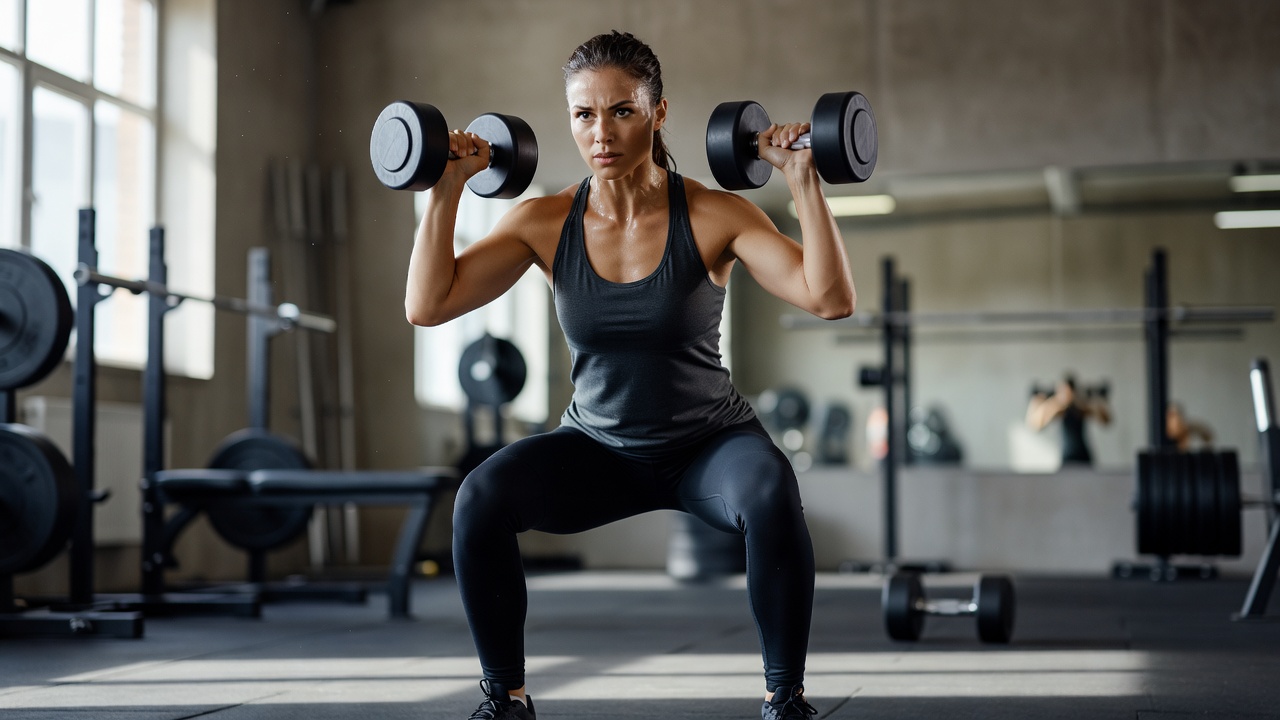
Lifting weights or performing bodyweight resistance exercises is perhaps the most transformative physical habit a woman can adopt. It goes far beyond aesthetics, providing profound structural benefits.
Bone Density Protection
Osteoporosis and osteopenia disproportionately affect women. As bones are living tissues, they respond to the stress placed upon them. When you lift weights, the mechanical pull of the muscle against the bone stimulates bone remodeling, increasing its density and strength. This is an essential preventative measure against fractures later in life.
Metabolic Health and Muscle Mass
Muscle tissue is highly metabolically active. Having a higher percentage of lean muscle mass improves insulin sensitivity and helps regulate blood sugar. Furthermore, sarcopenia (the age-related loss of muscle mass) begins much earlier than many realize. Consistent resistance training preserves this valuable tissue, ensuring ongoing functional independence.
Pelvic Floor and Core Stability
A strong core is not about visible abdominal muscles; it is about the cylinder of muscles that support the spine, internal organs, and pelvis. Proper strength training teaches the body to manage intra-abdominal pressure, which is critical for pelvic floor health, particularly for women who have gone through pregnancy and childbirth.
Balancing Cardio and Mobility
While strength is foundational, cardiovascular health and joint mobility are equally important to a well-rounded fitness regimen.
- Aerobic Conditioning: Engaging in activities that elevate the heart rate (such as brisk walking, cycling, swimming, or dancing) strengthens the heart muscle, improves circulation, and enhances the body's ability to utilize oxygen. It is also highly effective for stress management, promoting the release of endorphins.
- Mobility and Flexibility: Strength without flexibility leads to stiffness and injury. Practices like yoga, Pilates, or dedicated stretching routines ensure joints move freely through their full range of motion. This reduces the risk of muscle tears and joint strain during both daily activities and intense workouts.
Avoiding the Pitfalls of Over-Training
More is not always better. The female body is particularly sensitive to the stress of over-training. Intense exercise is a stressor—a positive one (eustress), but a stressor nonetheless. If intense training is combined with insufficient caloric intake, poor sleep, and high psychological stress, it can lead to a condition known as Relative Energy Deficiency in Sport (RED-S).
Symptoms of over-training include persistent fatigue, recurring minor injuries, plateauing progress, and the cessation of the menstrual cycle (amenorrhea). The latter is a serious warning sign that the body does not feel safe enough to maintain reproductive functions, which in turn causes estrogen levels to plummet, risking rapid bone loss.
Signs of a Sustainable Routine
- Waking up feeling generally energized and recovered.
- Steady, progressive improvements in strength or endurance.
- A regular, predictable menstrual cycle (if applicable).
- Looking forward to workouts rather than dreading them.
Warning Signs to Pull Back
- Chronic muscle soreness that doesn't resolve.
- Disrupted sleep patterns or insomnia.
- Frequent illnesses or lingering colds.
- Loss of period or extreme cycle irregularity.
Conclusion
Building a fitness routine should be an act of self-care, not punishment. By blending resistance training to build robust bones and muscles, cardiovascular exercise for a healthy heart, and mobility work for fluid joints, women can construct a resilient body capable of tackling life's challenges with confidence and grace.