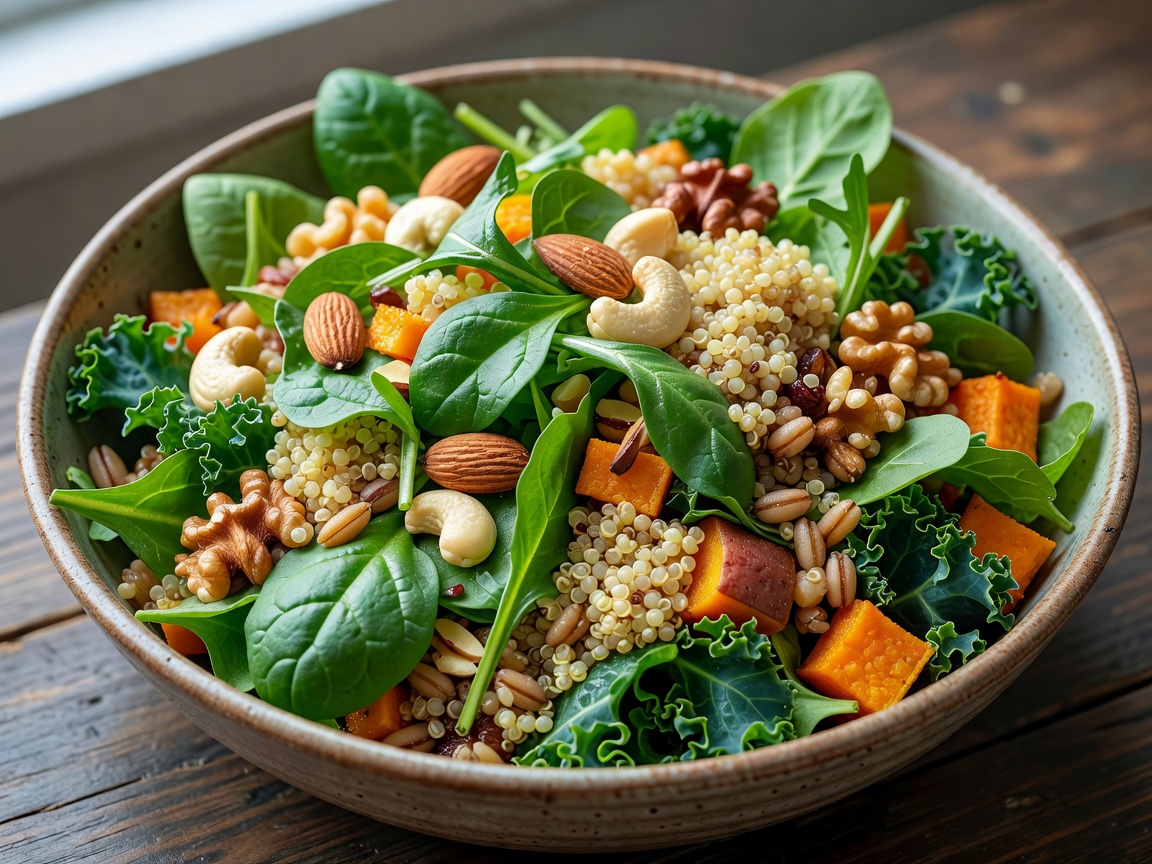
The Foundations of Female Nutrition
For decades, nutritional guidelines were heavily skewed toward data collected from young male populations. Today, we understand that women metabolize certain nutrients differently, experience different rates of bone density loss, and possess distinct requirements for minerals and vitamins throughout various life stages. Nutritional strategies for women must move away from restriction and focus on abundance—ensuring the body has the building blocks it needs to thrive.
Macronutrient Balance
The three pillars of dietary intake—proteins, fats, and carbohydrates—play distinct roles. Women often undereat protein and healthy fats, which can lead to unstable blood sugar, low energy, and poor recovery from daily stressors.
- Protein: Essential for tissue repair, immune function, and the synthesis of enzymes and hormones. Adequate protein intake is vital for maintaining lean muscle mass, especially as women age. Incorporating varied sources such as legumes, fish, poultry, and high-quality dairy can help meet these needs.
- Dietary Fats: Fats are the backbone of hormone production. Without sufficient fat intake, the body struggles to produce adequate levels of estrogen and progesterone. Omega-3 fatty acids, found in fatty fish, chia seeds, and walnuts, are particularly beneficial for reducing cellular inflammation and supporting brain health.
- Carbohydrates: As the primary source of energy, carbohydrates should not be feared. However, the focus should be on complex carbohydrates rich in fiber—like sweet potatoes, oats, and quinoa—which provide a steady release of glucose and support healthy gut microbiota.
Crucial Micronutrients for Women
While macronutrients provide energy, micronutrients act as the spark plugs for physiological processes. Certain vitamins and minerals are particularly critical for female health:
Iron
Due to menstruation, women of reproductive age have higher iron requirements than men. Iron is a crucial component of hemoglobin, which carries oxygen throughout the blood. A deficiency can lead to anemia, resulting in profound fatigue, weakness, and compromised immune function. Sources include red meat, lentils, spinach, and fortified cereals. Consuming vitamin C alongside plant-based iron sources significantly enhances absorption.
Calcium and Vitamin D
Bone density naturally declines as women transition into menopause due to dropping estrogen levels. Building and maintaining peak bone mass earlier in life is essential. Calcium provides the structural material for bones, while Vitamin D is necessary for the body to absorb calcium efficiently. While dairy is a traditional source of calcium, leafy greens, almonds, and fortified plant milks are also excellent options.
Folate (Vitamin B9)
Vital for cellular division and DNA synthesis. While commonly associated with pregnancy and fetal development, folate is important for cardiovascular health and cognitive function in women of all ages. Dark leafy greens, beans, and asparagus are dense sources of this critical nutrient.
Dietary Patterns: Plant-Based vs. Omnivorous
Women often explore various dietary patterns to optimize their health. Two of the most common frameworks are plant-based and omnivorous diets. Both can be incredibly healthy if well-planned.
Plant-Based Pattern
- Pros: Typically higher in dietary fiber, antioxidants, and phytonutrients. Associated with lower risks of cardiovascular disease and certain metabolic syndromes. Promotes excellent gut health due to high plant diversity.
- Cons: Requires careful planning to ensure adequate intake of Vitamin B12, highly bioavailable iron, zinc, and omega-3 fatty acids (EPA and DHA). Protein sourcing requires combining different plant foods or relying on soy/supplements.
Omnivorous Pattern
- Pros: Easier access to complete proteins containing all essential amino acids. High bioavailability of critical nutrients like heme iron, zinc, and B12. Can be very satisfying and culturally flexible.
- Cons: May inadvertently lack sufficient dietary fiber if vegetable and fruit intake is ignored in favor of meat and refined grains. Higher environmental footprint depending on sourcing.
Hydration and Gut Health
The health of the gastrointestinal tract is deeply intertwined with overall wellness. The gut microbiome helps synthesize vitamins, regulates the immune system, and even aids in the clearance of metabolized hormones (particularly estrogen). A diet rich in diverse, colorful plants provides prebiotic fiber to feed beneficial bacteria. Furthermore, adequate hydration is essential to maintain mucosal linings in the gut and facilitate the clearance of waste and toxins.
Conclusion
Nutrition for women is an evolving, personal journey. What works in one's twenties may need adjusting in one's forties or fifties. By focusing on whole, minimally processed foods, honoring hunger cues, and ensuring a robust intake of essential micronutrients, women can build a nutritional foundation that supports vibrant health and longevity.